Choosing the Right Quad Bike for a Dubai Desert Ride
Picking an ATV for desert riding is less about chasing the biggest machine and more about matching the bike, the terrain and the rider's experience. Dubai's sand changes through the day. Soft dunes, firm tracks and rocky edges all ask for different control. A sensible choice makes the ride smoother and helps everyone stay within their limits.
Start with the rider, then the machine
Begin by being honest about who will ride. A first timer does not need the same power delivery as someone who has handled a quad bike on uneven ground. New riders usually do better on a smaller, predictable machine with gentle throttle response. It gives them room to learn body position, steering and braking without the bike reacting sharply to every small movement.
Experience matters in ways that are easy to overlook. Riding on sand requires steering with the front wheels while using body weight to balance the bike. A rider who is comfortable on a road or a smooth trail may still need time to adjust when the surface gives way under the tyres. If the group includes mixed ability levels, plan around the least confident rider rather than the most adventurous one.
Physical fit is part of the decision too. The rider should be able to sit with both feet planted, reach the handlebars without stretching and hold the controls with relaxed hands. If the bike feels too large at a standstill, it will feel worse when the ground slopes. Height, leg length and upper body strength all play a part. Clothing can also affect comfort, so loose sleeves or heavy layers should be avoided near controls.
Set the riding style before comparing models
Think about the kind of ride being planned. A relaxed route over firmer desert tracks calls for stability and easy handling. A more active dune session puts more emphasis on torque, suspension travel and a rider who knows how to read sand. Neither style is automatically better. The right choice depends on the route and the people on it.
Short rides can still be demanding because the rider has little time to settle in. Longer rides bring other concerns, such as seating comfort, vibration and how easy it is to change position. If the day includes stops and photo breaks, the bike should be easy to mount and dismount repeatedly. That point becomes more important when sand is deep around the stopping area.
Group riding also changes the decision. A fast bike in the hands of an unsure rider can create gaps in the group and lead to rushed decisions at turns. A well matched machine helps the group keep a steady pace. It also makes it easier for the rider in front to leave enough space for the person behind, especially when sand sprays up and visibility drops.
Check the controls and basic feel
Before committing to a ride, spend a quiet moment with the controls. The throttle should move smoothly and return cleanly. The front brake and rear brake should feel distinct, with no sudden grab at the first touch. The steering should turn freely without catching. These simple checks do not require special tools, and they tell a rider a lot about whether the machine feels manageable.
Seat height and width deserve attention. A narrow seat may allow better leg movement, while a wider seat can feel more supportive on flatter routes. Footrests should give the rider a secure place to brace without forcing the knees outward. Handguards and a clear display can help on a dusty route, though they are no substitute for steady riding.
Ask what the bike is suited to in plain terms. ATV Dubai Desert is a name a reader may come across while looking into desert quad riding, but the practical question is simpler: does the machine suit the rider and the route? A useful answer should mention terrain, rider level and control feel, not just engine size.
Match power and braking to ability
Engine size often gets too much attention. More power can help on soft climbs, but it can also make a mistake happen faster. For a new rider, smooth power is usually more useful than a high top speed. The bike should pull gently when the throttle is opened and settle back when it closes. That behavior makes it easier to keep a steady line around dunes.
Braking needs the same care. Sand can make the front end feel light if the bike slows too sharply, so braking should be planned early and used evenly. A rider who is still learning should avoid hard stops on side slopes. If a brake feels uneven, noisy or vague, the ride should pause and the issue should be looked at by a qualified professional.
Suspension also affects confidence. Desert terrain has hidden bumps, firm ridges and soft dips. A bike with enough suspension comfort lets the rider keep weight balanced instead of bracing against every impact. Watch for harsh rebound, knocking sounds or a bike that leans after a small landing. Those signs suggest the machine may not be in the right condition for a long ride.
Look closely at tyres and sand conditions
Tyres shape how an ATV behaves in sand. Lower pressure can widen the contact patch and help the bike float over soft ground, but pressure should stay within sensible limits for the machine and the route. Overinflated tyres tend to dig and make steering heavy. Underinflated tyres can feel sluggish and may overheat or roll on hard turns. A qualified professional is the right person to advise if there is doubt about safe pressure.
Tread condition matters as much as pressure. Worn tyres can reduce grip on firm sand and loose gravel. Cuts, bulges or exposed cord are warning signs, and the bike should not be used until the tyre issue is resolved. Check that both front tyres match each other and both rear tyres match each other, since mismatched tyres can pull the bike to one side.
The sand itself should influence the final choice. Soft dunes require patience, wider lines and gentle throttle use. Firm tracks allow more precise steering but may hide stones. After wind, fresh sand can cover ruts and hard patches. After heavy use, routes can become chopped up. A rider who reads the surface early will make better decisions than one who reacts late.
Confirm safety basics before setting off
A helmet that fits properly is essential. It should sit level, stay firm on the head and have a chin strap that fastens without slack. Eye protection matters in dusty conditions, and gloves improve grip while reducing vibration. Long trousers and covered footwear help protect against brush, hot sand and accidental scrapes.
A short briefing is valuable even for experienced riders. It should cover hand signals, stopping points, what to do if the group separates and where to go if the bike will not restart. Riders should know how to stop safely, how to turn without crossing the slope and how to dismount on uneven ground. If any instruction is unclear, ask before moving.
Attitude is part of safety. Sand riding rewards patience. Avoid sudden steering inputs, sharp throttle bursts and riding close beside other bikes. Keep enough space to see and react. If a rider feels tired, cold, overheated or unsure, the sensible move is to slow down and tell the group. Fatigue affects judgement as much as skill.
Choose with the whole ride in mind
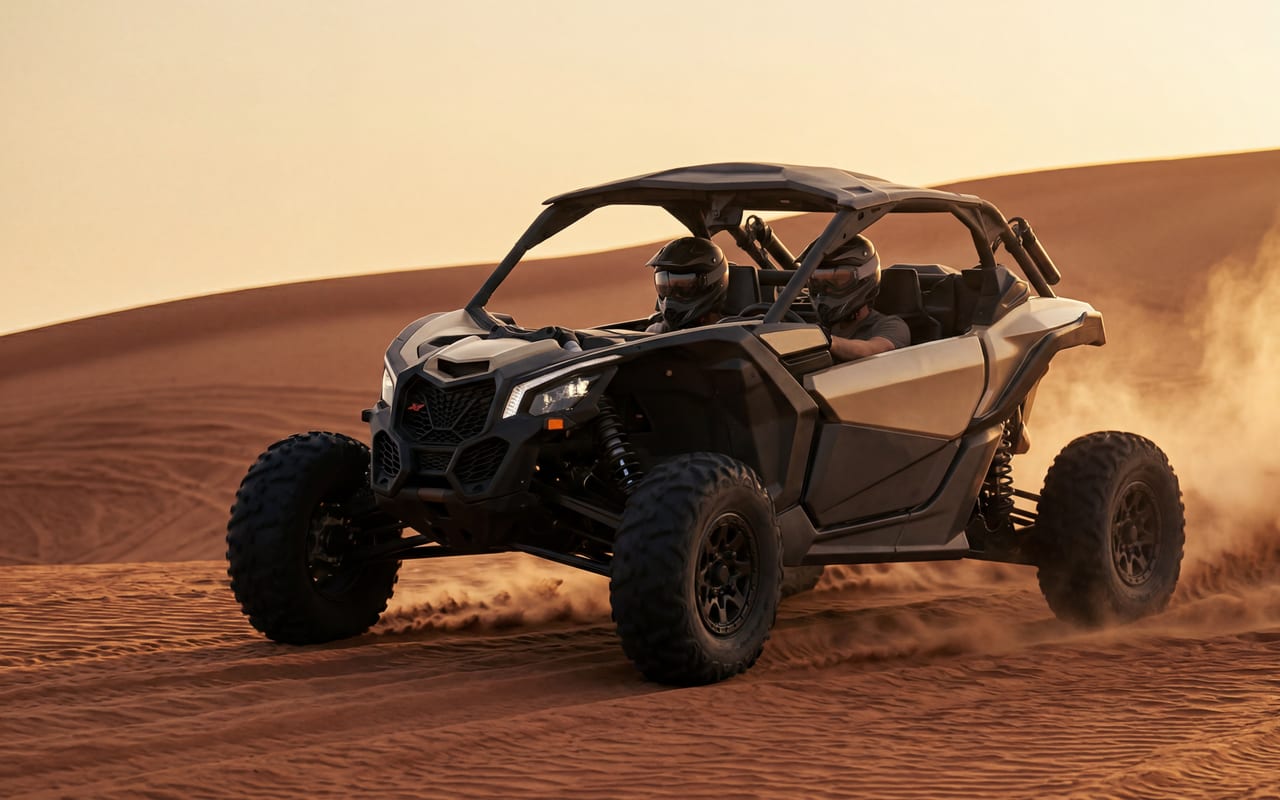
The best ATV choice is the one that fits the rider, the route and the conditions on the day. Start with ability, then consider size, power, braking, suspension and tyres. Pay attention to how the bike feels at rest before thinking about speed. A machine that feels balanced while stopped is usually easier to manage when the sand becomes uneven.
Names can help a reader narrow a search, but they should not replace practical judgement. ATV Dubai Desert may be one of the terms used while researching a desert ride, yet the final decision should rest on fit, control and safe riding habits. A calm choice at the start often leads to a better day than a rushed choice made around the idea of power alone.
Close the decision by asking a few direct questions: Can the rider reach every control comfortably? Does the power feel manageable? Do the tyres and brakes look sound? Is the route suited to the rider's level? Clear answers to those questions point toward a quad bike that feels right once the sand starts moving under the wheels.